
What is A Bat Bug (Cimex Adjunctus) in Kansas City
What Is a Bat Bug? Understanding Cimex Adjunctus in Kansas City
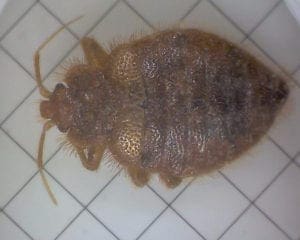
If you’re dealing with a mysterious pest in your Kansas City home, you might be wondering, What is a bat bug? Often mistaken for its close cousin, the bed bug, the bat bug—scientifically known as Cimex Adjunctus—is a unique insect with distinct characteristics and behaviors. In Kansas City, where bat populations thrive in urban and rural areas, understanding Cimex Adjunctus is critical for effective pest control. This blog post dives deep into what a bat bug is, how to identify it, why distinguishing it from bed bugs matters, and how to treat an infestation in Kansas City homes.
What Is a Bat Bug (Cimex Adjunctus)?
Cimex Adjunctus is a parasitic insect closely related to the common bed bug (Cimex Lectularius). While both species belong to the Cimex genus, bat bugs primarily feed on the blood of bats rather than humans. However, in areas like Kansas City, where bats roost in attics, chimneys, or caves, bat bugs can become a household nuisance when their primary hosts are disturbed or removed.
In Kansas City, bat bugs are often found in homes near bat roosts, such as old buildings, barns, or suburban neighborhoods with mature trees. Unlike bed bugs, which prefer human hosts, bat bugs only bite humans opportunistically, typically when their bat hosts are unavailable. This presents a unique challenge for Kansas City residents in identifying and treating bat bugs.
How to Identify Cimex Adjunctus in Kansas City
One of the biggest challenges with bat bugs in Kansas City is their striking resemblance to bed bugs. Misidentification is common, even among homeowners and untrained pest control professionals. However, there are key physical differences that can help you distinguish Cimex Adjunctus from its bed bug counterpart:
-
Hairy Appearance: The most reliable way to identify a bat bug is by examining the hairs on its body. On Cimex Adjunctus, the hairs on the thorax (the upper body) are twice as long as the width of its eyes. In contrast, the hairs on a bed bug are shorter, typically not exceeding the eye width. This gives bat bugs a noticeably hairier appearance under a microscope or magnifying glass.
-
Body Shape and Size: Both bat bugs and bed bugs are small, oval-shaped, and reddish-brown, measuring about 4-6 mm in length. However, bat bugs may appear slightly flatter when unfed, as they are adapted to cling to the hosts of bats in their roosts.
-
Behavioral Clues: Bat bugs are typically found in areas associated with bat activity, such as attics, chimneys, or wall voids near bat roosts. Bed bugs, on the other hand, are more likely to infest bedrooms, mattresses, and furniture where humans sleep.
If you suspect an infestation in Kansas City, it’s crucial to consult a professional entomologist or pest control expert who can use magnification tools to confirm whether you’re dealing with Cimex Adjunctus or bed bugs. Misidentification can lead to ineffective treatments, resulting in wasted time and money.
Why Is It Essential to Distinguish Bat Bugs from Bed Bugs?
Accurately identifying Cimex Adjunctus is critical for several reasons, especially in Kansas City, where both bat bugs and bed bugs can coexist in homes. Here’s why differentiation matters:
-
Different Hosts: Different Behaviors: Bat bugs primarily feed on bats and only bite humans as a secondary option. If bats are present in your home, bat bugs will likely remain near their roosts. Bed bugs, however, actively seek out humans, making them a more persistent problem in living spaces. Understanding the pest’s primary host helps determine the source of the infestation.
-
Tailored Treatment Plans: Treating bat bugs requires addressing the bat population first, while bed bug treatments focus on human living areas. Applying bed bug treatments to a bat bug infestation—or vice versa—will likely fail, allowing the problem to persist.
-
Preventing Dual Infestations: In some cases, Kansas City homes may harbor both bat bugs and bed bugs simultaneously, particularly in older buildings or those located near bat habitats. A professional pest control service can assess the situation and develop a comprehensive plan to tackle both pests if necessary.
-
Health and Comfort: While bat bugs are less likely to bite humans than bed bugs, their bites can still cause itchy welts and discomfort. Additionally, the presence of bat bugs may indicate a larger bat infestation, which can pose health risks due to the accumulation of guano (bat droppings) and potential disease transmission.
By pinpointing whether you’re dealing with Cimex Adjunctus or bed bugs, you can take targeted action to resolve the issue efficiently and prevent future infestations.
How Do Bat Bugs End Up in Kansas City Homes?
Kansas City’s diverse environment, with its mix of urban neighborhoods, wooded areas, and historic buildings, provides ideal conditions for bat colonies. Bats often roost in attics, barns, or abandoned structures, bringing bat bugs along with them. Here’s how Cimex Adjunctus typically enters Kansas City homes:
-
Bat Roosts: Bats establish colonies in attics, chimneys, or wall voids, where bat bugs feed on their blood. If the bats are removed or leave the roost, bat bugs may migrate to other areas of the home in search of food, potentially biting humans.
-
Renovations or Disturbances: Home renovations, attic cleanups, or bat exclusion efforts can displace bat bugs, causing them to spread into living spaces.
-
Proximity to Bat Habitats: Homes near caves, forests, or rivers in the Kansas City area are more likely to attract bats, increasing the risk of bat bug infestations.
Once bat bugs establish themselves in a home, they can be difficult to eradicate without addressing the underlying bat problem.
How to Treat a Bat Bug Infestation in Kansas City
Treating a bat bug infestation requires a multi-step approach that addresses both the bats and the bugs. Here’s a detailed guide to eliminating Cimex Adjunctus from your Kansas City home:
-
Remove the Bats: The first step is to safely and humanely evict the bats from your home. In Kansas City, bats are a protected species, so you’ll need to hire a licensed wildlife control professional who can install exclusion devices (like one-way doors) to allow bats to leave without re-entering. This step is critical, as bat bugs will continue to thrive as long as their primary hosts remain.
-
Clean and Sanitize the Roost: Once the bats are gone, thoroughly clean the affected area. Bat roosts often contain guano, shed fur, and nesting materials, which can harbor bat bugs and pose health risks. For example:
-
Remove contaminated insulation from attics or crawlspaces.
-
Vacuum and scrub surfaces to eliminate guano and debris.
-
Use protective gear, as bat droppings can carry pathogens like histoplasmosis.
-
-
Apply Targeted Treatments: After cleaning, a pest control professional can apply insecticides or other treatments to eliminate remaining bat bugs. These treatments should be specific to Cimex Adjunctus and focus on areas where bat bugs are likely to hide, such as cracks, crevices, and wall voids.
-
Seal Entry Points: To prevent bats from returning, seal all potential entry points, including gaps in roofs, chimneys, and siding. This step reduces the risk of future bat bug infestations.
-
Monitor for Recurrence: After treatment, continue to inspect your home for signs of bat bugs or bats. Regular inspections by a pest control expert can ensure the problem doesn’t return.
Preventing Bat Bug Infestations in Kansas City
Prevention is key to avoiding bat bug problems in Kansas City. Here are some tips to keep Cimex Adjunctus at bay:
-
Inspect Your Home: Regularly check attics, chimneys, and other potential bat roosting sites for signs of bats or guano.
-
Seal Entry Points: Install chimney caps, repair roof gaps, and seal cracks to prevent bats from entering your home.
-
Consult Professionals: If you suspect bats or bat bugs, contact a pest control or wildlife removal expert immediately. Early intervention can prevent a minor issue from developing into a full-blown infestation.
-
Maintain Cleanliness: Keep attics and storage areas clean and clutter-free, as these spaces can attract bats and other pests.
Why Choose Professional Pest Control in Kansas City?
Dealing with bat bugs in Kansas City is not a DIY job. The complexity of bat removal, combined with the need for precise identification and treatment of Cimex Adjunctus, requires professional expertise. A licensed pest control company can:
-
Accurately identify whether you’re dealing with bat bugs, bed bugs, or both.
-
Safely remove bats in compliance with Kansas City wildlife regulations.
-
Develop a customized treatment plan to eliminate bat bugs and prevent recurrence.
-
Provide ongoing monitoring to ensure your home remains pest-free.
Conclusion
So, what is a bat bug? In Kansas City, a bat bug (Cimex Adjunctus) is a parasitic insect that thrives in bat roosts and can become a household pest when bats are present. Identifying Cimex Adjunctus is crucial, as its hairy appearance and bat-dependent behavior set it apart from bed bugs. By understanding the differences, addressing bat infestations, and working with professional pest control services, Kansas City homeowners can effectively eliminate bat bugs and restore peace to their homes.
If you suspect a bat bug problem in your Kansas City home, don’t wait—contact a local pest control expert today to assess the situation and develop a targeted solution. With the right approach, you can eliminate Cimex Adjunctus and enjoy a pest-free home.
Posted in Bedbugs in Kansas City Category
